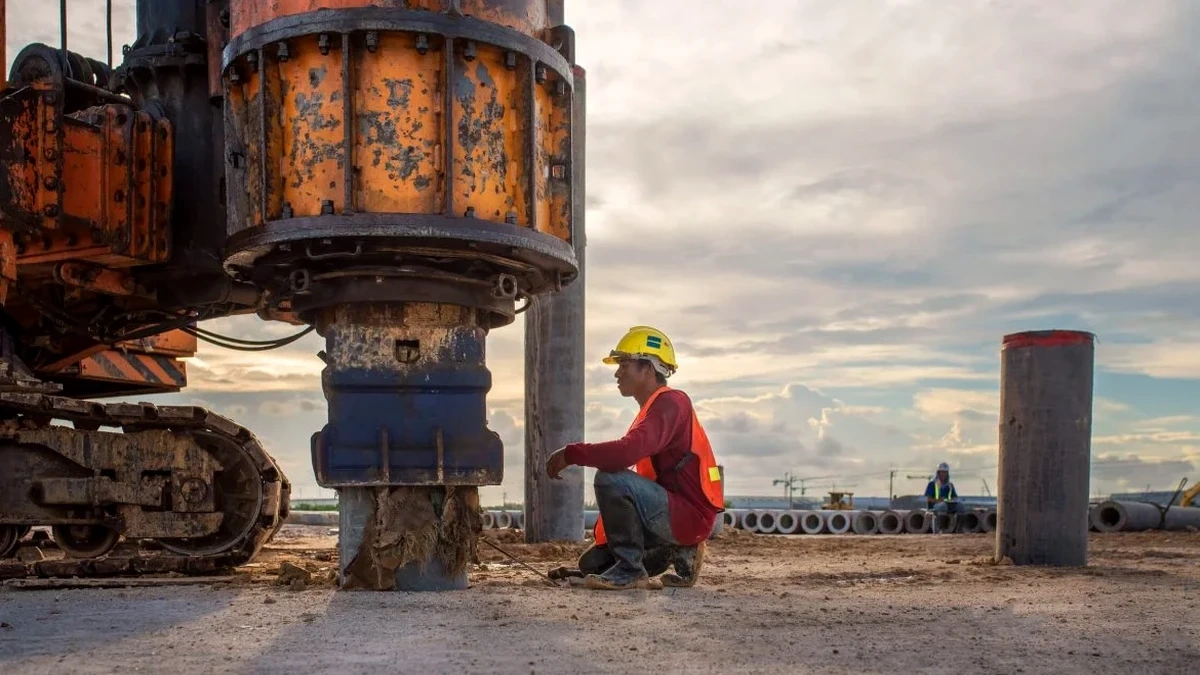
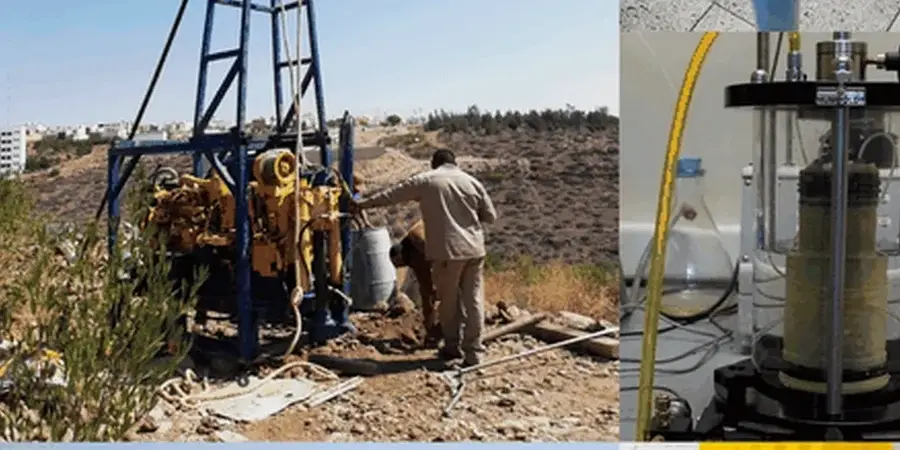
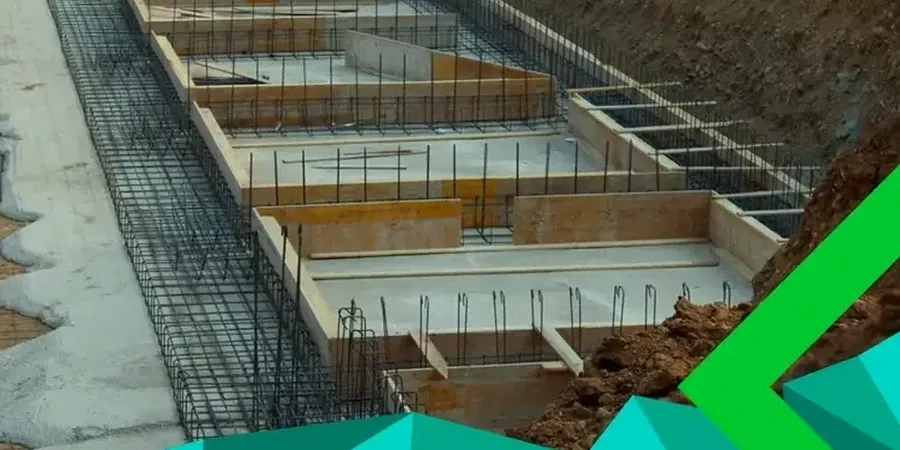
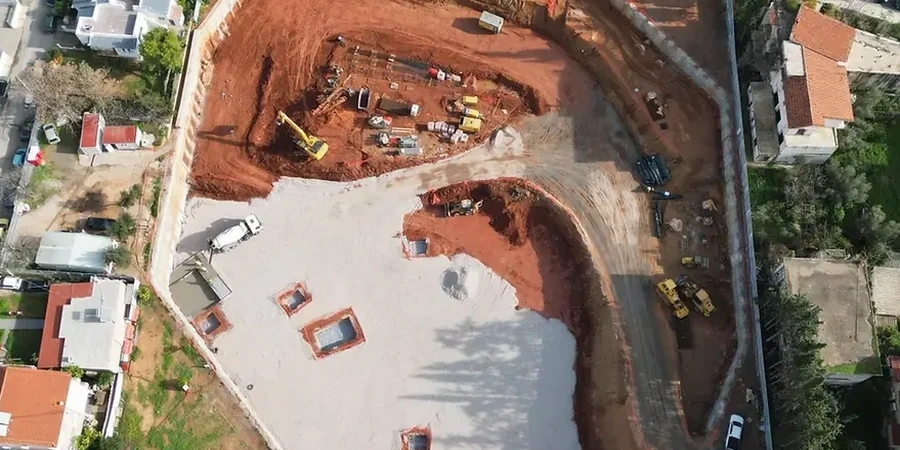
In Oklahoma City, anyone who has dug deeper than a few feet knows the transition from stiff red clay into the underlying shale can happen fast—and that interface creates real challenges for vertical cuts. The Hennessey Group and Garber-Wellington aquifer formations dominate the subsurface, and perched water in weathered shale zones surprises contractors more often than not. We focus on the deep excavation geotechnical design that keeps these cuts stable, whether the project is a multi-level basement in Bricktown or a pump station shaft near the North Canadian River. Our approach integrates site-specific stratigraphy, groundwater control, and lateral support requirements into a single constructible package that accounts for the expansive clay behavior and the fractured bedrock common across Oklahoma County.
A deep excavation in Oklahoma City shale that isn't designed for both short-term cut stability and long-term moisture degradation will become a maintenance problem before the structure is even topped out.