GEOTECHNICAL ENGINEERING
OKLAHOMA CITY
HomeFoundationsPile foundation design

Pile Foundation Design in Oklahoma City: IBC-Compliant Deep Foundations for Expansive Soils

Evidence-based design. Reliable delivery.

LEARN MORE

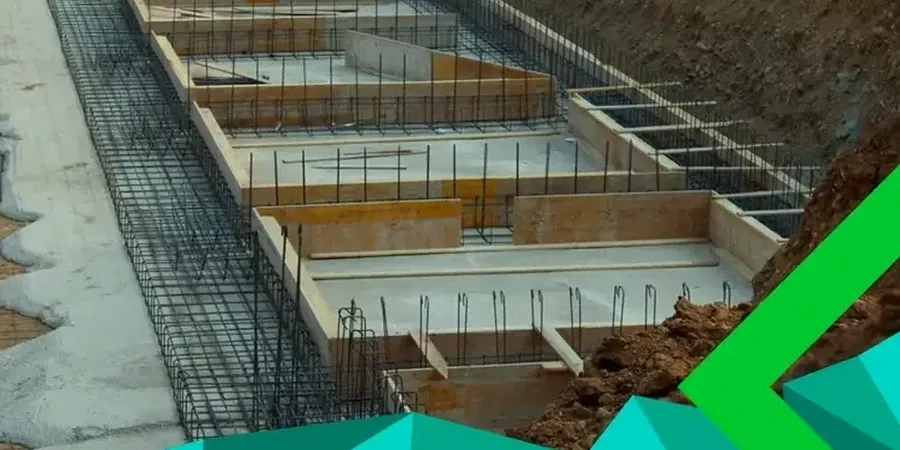
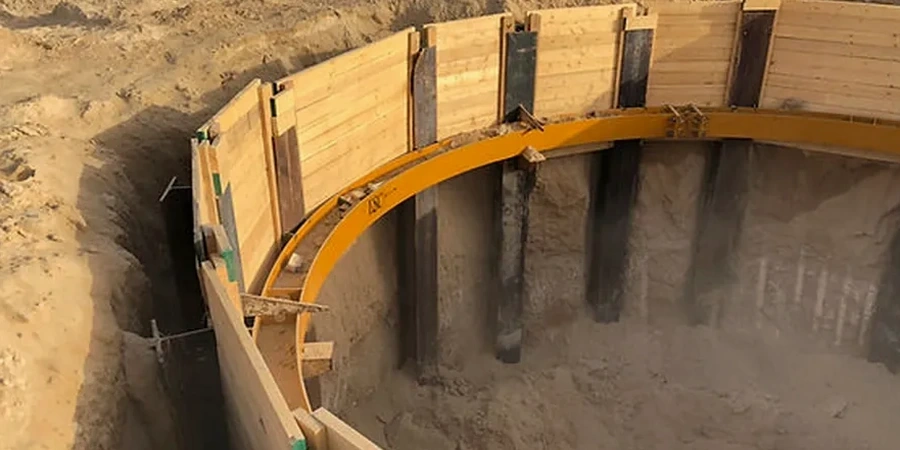
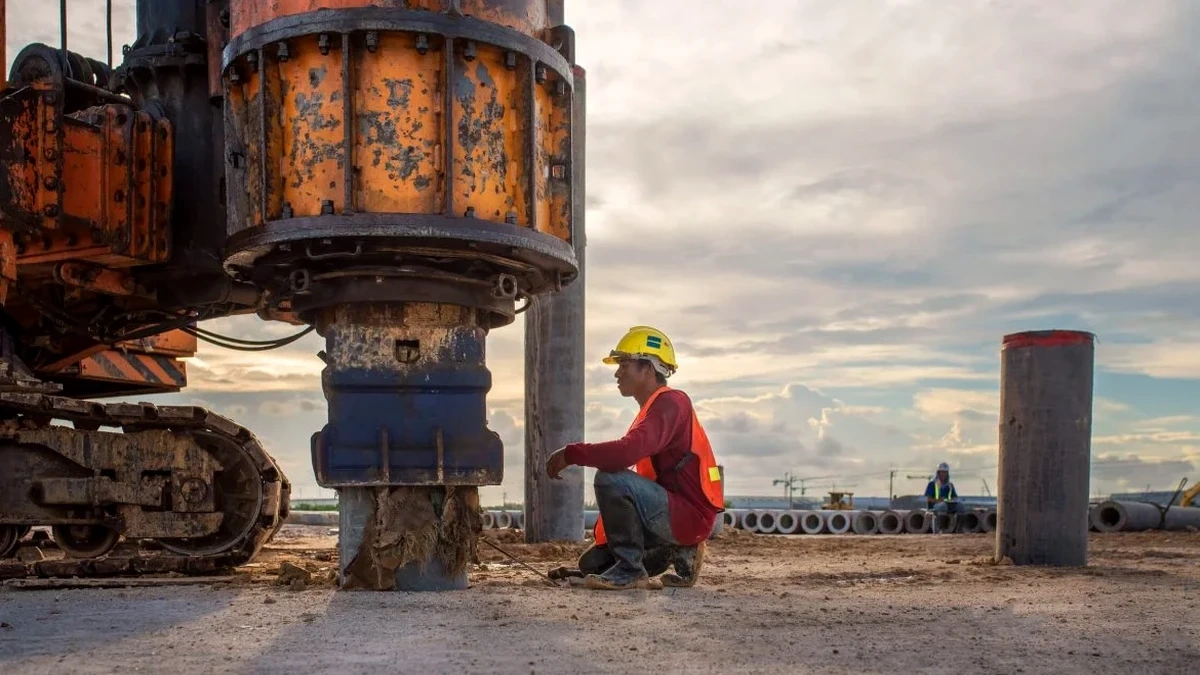
ASCE 7 and the International Building Code (IBC) mandate deep foundation design when near-surface soils in Oklahoma City exhibit the expansion potential and low bearing capacity characteristic of the region. The local geology, dominated by the Permian-age Garber Sandstone and Wellington Formation, presents a layered profile of stiff to hard clays over weathered shale that demands a rigorous pile foundation design approach. Our geotechnical laboratory performs the full sequence of subsurface investigation and engineering analysis to deliver pile designs that transfer structural loads through the active zone into competent bedrock or dense granular strata. In many Oklahoma City projects, we complement the deep foundation scope with a CPT test to obtain continuous soil behavior type classification without disturbing the sample, which proves invaluable when defining pile termination criteria in variable shale. The city's average annual precipitation of 36 inches and hot summers create wet-dry cycles that cause significant soil volume changes, making a properly designed pile system the difference between a stable structure and one plagued by differential movement.

Pile design in Oklahoma City's Garber-Wellington shale must account for a weathered transition zone that can extend 5 to 15 feet below the competent rock surface, directly impacting both skin friction and end bearing calculations.
Our service areas

Process and scope

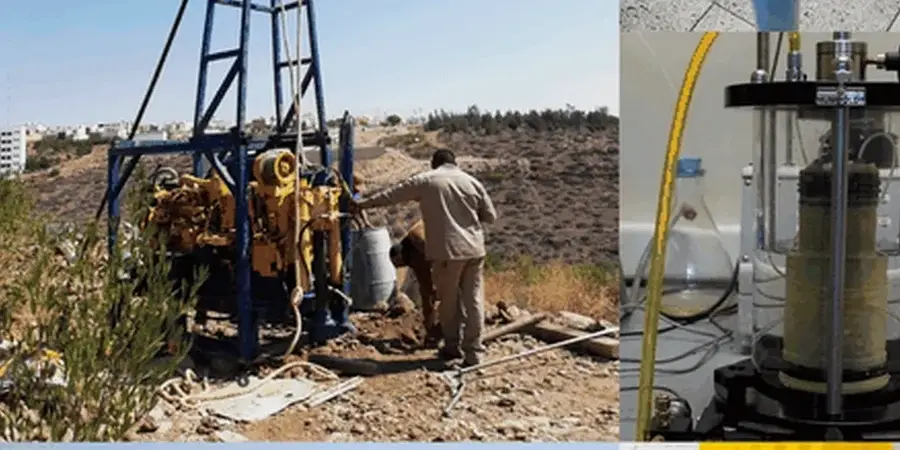
A recurring error in Oklahoma City construction is specifying pile lengths based solely on regional experience without verifying the actual depth to bedrock through site-specific investigation. The weathered shale contact can vary by 10 to 15 feet across a single lot, and assuming a uniform refusal depth leads to piles that either fail to reach competent bearing or drive well past the necessary elevation, inflating costs unnecessarily. Our pile foundation design process begins with mud-rotary borings and SPT sampling per ASTM D1586 to map the exact stratigraphy beneath the proposed footprint. We then evaluate skin friction and end bearing parameters using empirical correlations calibrated to the local Garber-Wellington formation, which behaves differently than the shale found in Tulsa or the Arbuckle Mountains. When the structural loads include significant lateral components from wind or seismic events, we often integrate findings from a slope stability analysis to ensure the lateral pile capacity accounts for any potential downslope creep in the clay mantle. The design output includes axial capacity curves, group efficiency calculations, and settlement estimates that account for the elastic compression of the pile shaft within the overburden soil.
Pile Foundation Design in Oklahoma City: IBC-Compliant Deep Foundations for Expansive Soils
Technical reference — Oklahoma City

Local geotechnical context

The contrast between Oklahoma City's wet spring season and its prolonged summer drought creates extreme soil suction fluctuations in the upper fat clay layers, generating uplift forces on pile shafts that can exceed the dead load of lightly loaded columns. This seasonal drama is compounded by the presence of perched groundwater that appears unpredictably after heavy rainfall events, saturating the expansive clays and temporarily reducing skin friction by as much as 40 percent in the upper 10 feet. A pile foundation design that does not isolate the shaft from the active zone through casing or oversized boreholes will inevitably transfer these volume-change stresses to the superstructure. We mitigate this by specifying a minimum depth of penetration into bedrock of at least 10 feet for end-bearing piles, and by calculating the downdrag force generated when the consolidating clay settles relative to the pile shaft. The IBC requires that negative skin friction be explicitly considered in the structural design of the pile, and Oklahoma City's clay profiles make this provision particularly relevant for any project east of Interstate 35, where the Wellington Formation clays are thicker and more plastic.

Need a geotechnical assessment?

Reply within 24h.

Email: contact@geotechnical-engineering.xyz

Applicable standards

IBC Chapter 18 – Soils and Foundations, ASCE 7-22 – Minimum Design Loads and Associated Criteria for Buildings and Other Structures, ASTM D1586 – Standard Test Method for Standard Penetration Test (SPT) and Split-Barrel Sampling of Soils, ACI 336.1 – Specification for the Construction of Drilled Piers, ASTM D2487 – Standard Practice for Classification of Soils for Engineering Purposes (Unified Soil Classification System)

Technical parameters

ParameterTypical value
Predominant bearing stratumWeathered to competent Garber Sandstone / Wellington Formation shale
Active zone depth (expansive clays)8 to 15 ft below existing grade
Typical pile type for mid-rise structuresDrilled piers (caissons) 24–48 in. diameter, belled where shale is competent
Skin friction range (stiff clay over shale)0.8 to 2.5 ksf depending on plasticity index and depth
End bearing capacity (competent shale)20 to 60 ksf, confirmed by rock core compressive strength
Groundwater considerationSeasonal perched water in upper clay layers; permanent water table below 30 ft in most areas
Seismic site class (per ASCE 7)Typically Site Class C or D, depending on shear wave velocity in upper 100 ft
Applicable deep foundation standardIBC Chapter 18 / ACI 336.1 for drilled pier construction

Common questions

What depth of pile is typically required for a commercial building in Oklahoma City?

For the Garber-Wellington formation typical of central Oklahoma City, drilled piers for a mid-rise commercial building commonly extend 30 to 50 feet below grade to reach competent shale. The exact depth depends on the weathered rock profile encountered at the specific site; we determine the final socket length after reviewing rock core recovery and RQD values from the exploration borings. A minimum 10-foot penetration into unweathered shale is standard for end-bearing piles when uplift or lateral loads are not the controlling factor.

What is the approximate cost range for a pile foundation design package?

A complete pile foundation design package, including the subsurface exploration, laboratory testing, and the engineering calculation report, typically falls between US$1,860 and US$5,930 in Oklahoma City. The final fee depends on the number of borings required, the depth to bedrock, whether rock coring is needed, and the complexity of the structural loading. We provide a fixed-scope proposal after reviewing the preliminary architectural and structural plans.

How do you account for expansive clay effects on pile shafts in Oklahoma City?

We quantify the uplift force from swelling clay by evaluating the undrained shear strength and the plasticity index of the fat clay layers in the active zone, then computing the adhesion along the pile shaft. For highly plastic clays with PI values above 30, a common finding in the Wellington Formation, we typically specify an isolation casing or an oversized borehole filled with a compressible annulus material to break the bond between the expansive soil and the pile shaft. The design also checks that the dead load on the pile exceeds the calculated swell-induced tension by an adequate factor of safety.

Location and service area

We serve projects in Oklahoma City and surrounding areas.

View larger map