GEOTECHNICAL ENGINEERING
OKLAHOMA CITY
HomeIn-Situ TestingField permeability test (Lefranc/Lugeon)

In-Situ Permeability Testing (Lefranc & Lugeon) in Oklahoma City

Evidence-based design. Reliable delivery.

LEARN MORE

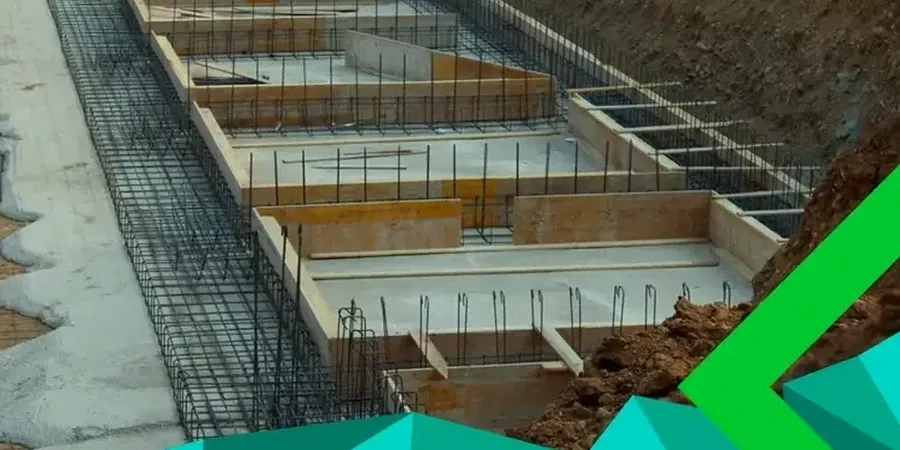
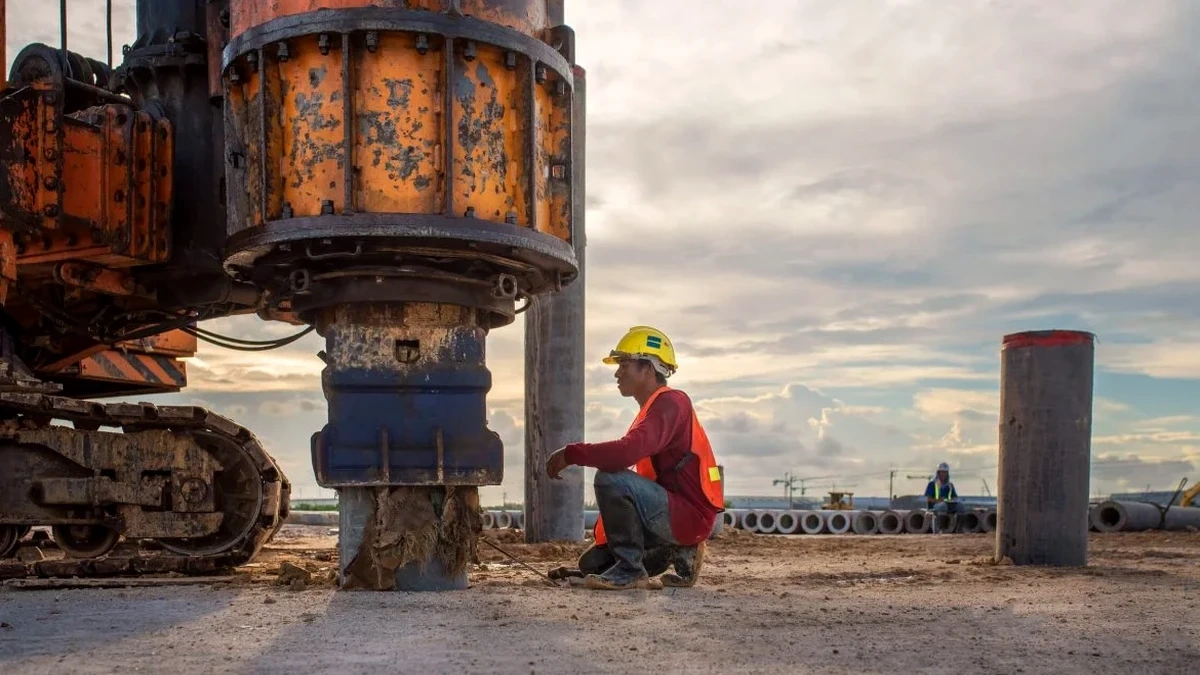
In Oklahoma City you deal with a specific challenge: the shift from permeable sand lenses to the tight shales of the Hennessey Group can happen within a few feet. When we mobilize a rig, we are not just running a generic test; we are isolating a discrete interval to measure how water actually moves through the formation. That is the difference between a dewatering plan that works and one that floods your cut. We run constant-head and variable-head Lefranc tests in soil, and multi-stage Lugeon tests in rock, giving you the hydraulic conductivity values required for deep excavation stability analysis and cutoff wall design.

A Lugeon value of less than 1 Lugeon signals tight rock; above 5 Lugeon, you are looking at a formation that needs grouting or significant dewatering.
Our service areas

Process and scope

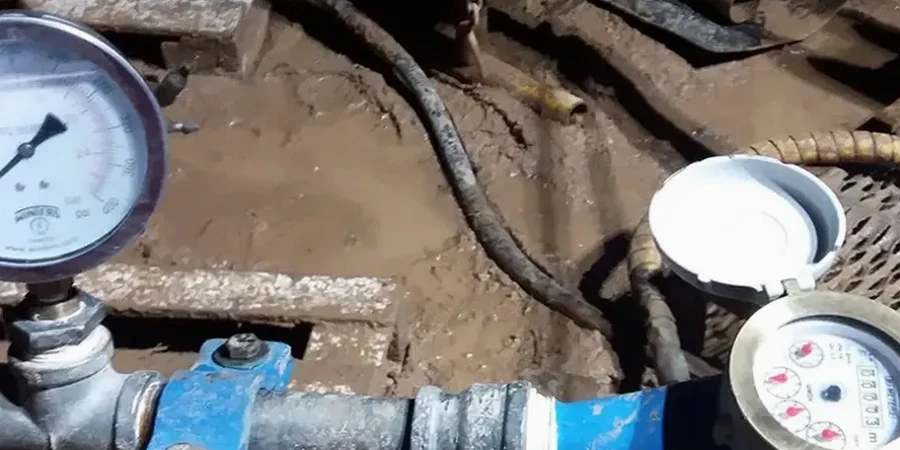
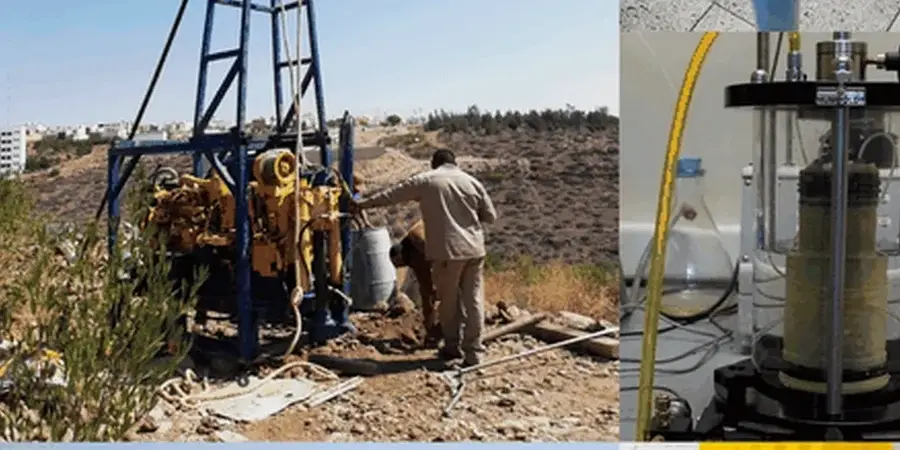
A common mistake we see on Oklahoma City jobsites is assuming weathered shale is impermeable just because it looks tight. A single Lugeon test will show you whether natural fissures are transmitting significant flow, which changes the entire shoring strategy. Our field methods follow ASTM D6391 for packer testing and include pressure transducer monitoring for real-time flow measurement. We pack off the test section with a single or double pneumatic packer, apply water pressure in ascending and descending steps, and record take versus pressure. The resulting Lugeon value, expressed in liters per meter per minute at 1 MPa, directly feeds into the engineering model. For granular soils above the bedrock surface, Lefranc testing provides K-values that control the design of well points and sump capacities.
In-Situ Permeability Testing (Lefranc & Lugeon) in Oklahoma City
Technical reference — Oklahoma City

Local geotechnical context

Oklahoma City sits at roughly 1,200 feet elevation on the Permian red beds, but the real risk factor is the groundwater table fluctuation in the North Canadian River floodplain. We have seen the water table rise 15 feet after a single wet season, saturating formations that lab tests classified as low-permeability. If your permeability profile is based on disturbed lab samples or rule-of-thumb values, you will underestimate inflow into deep excavations for downtown foundations or pipeline trenches. A Lugeon test run below the water table captures fracture flow behavior that no lab permeameter can reproduce. Ignoring that reality means sump pumps running at double capacity, or worse, slope failures from uncontrolled seepage pressure.

Need a geotechnical assessment?

Reply within 24h.

Email: contact@geotechnical-engineering.xyz

Applicable standards

ASTM D6391-11 (Standard Test Method for Field Measurement of Hydraulic Conductivity Using Borehole Infiltration), ASTM D4630 (Standard Test Method for Determining Transmissivity and Storage Coefficient of Low-Permeability Rocks), IBC Chapter 18 (Soils and Foundations)

Technical parameters

ParameterTypical value
Test Standard (Rock)ASTM D6391-11
Test Standard (Soil)ASTM D4630 / Lefranc Method
Packer TypeSingle or Double Pneumatic
Pressure Steps (Lugeon)Ascending & Descending (typically 5 stages)
Typical Test Interval3.3 ft to 10 ft (1 to 3 m)
Measurement Resolution0.1 L/min flow meter
Applicable FormationHennessey Shale, Garber Sandstone, Alluvial Deposits

Common questions

What does a field permeability test cost in Oklahoma City?

For a standard Lefranc or Lugeon test run in a single borehole interval, you are typically looking at a range of US$700 to US$1,000 per test section. The final cost depends on depth, number of pressure stages, and whether we need a double packer for fractured rock.

When is a Lugeon test required instead of a Lefranc test?

A Lugeon test is required when you are drilling into competent rock with fracture permeability, like the Garber Sandstone or limestone layers beneath the city. Lefranc tests apply to soil and completely weathered rock where a packer seal is not necessary.

How long does a single Lugeon test take to run onsite?

A full five-stage Lugeon test on one interval usually takes between 45 and 90 minutes, not counting rig setup. We wait for flow stabilization at each pressure step, which is critical for getting a reliable Lugeon value.

Can you run a permeability test inside an existing monitoring well?

Yes, we can run variable-head slug tests in existing wells if the screen is in the zone of interest. For Lugeon testing we need an open borehole in rock to set the packer properly.

Location and service area

We serve projects in Oklahoma City and surrounding areas.

View larger map