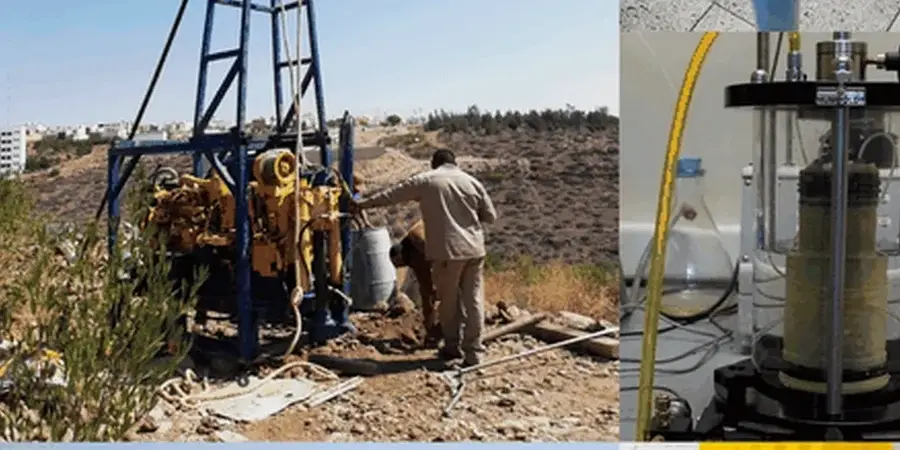
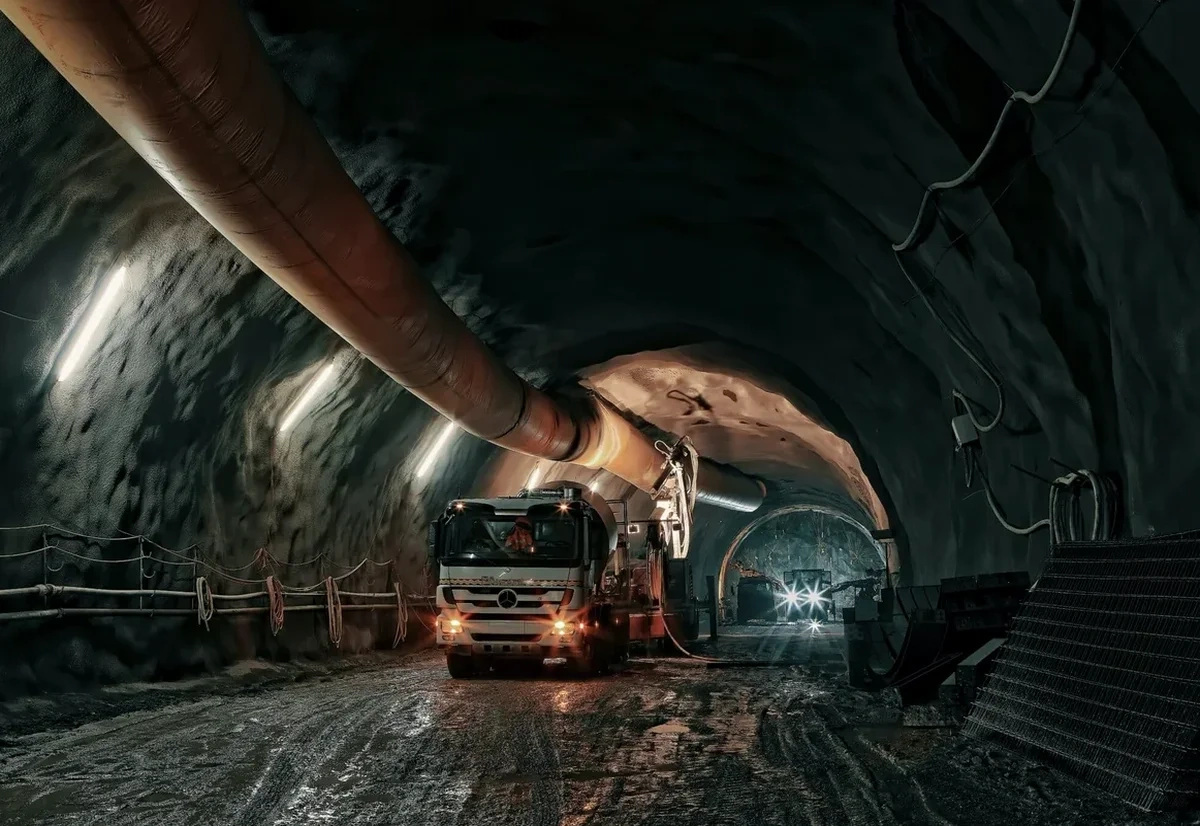
Beneath the surface of Oklahoma City, the notorious Permian-age Garber Sandstone and Wellington Formation aren't always as solid as they sound. Much of the metro sits on layers of red silty clay and shale that weather into a slick, expansive mess when wet—a reality that hits hard when you're planning a tunnel through soft ground. The water table here can sit just 10 to 15 feet down across the North Canadian River floodplain, and that means any underground excavation is fighting hydrostatic pressure from day one. We've seen too many projects underestimate how quickly the Hennessey Shale loses strength when exposed to air and moisture. Our geotechnical analysis for soft soil tunnels looks at the full picture: from Atterberg limits on those fat clays to triaxial shear under saturated conditions, so you're never caught off guard 40 feet below Bricktown or the Innovation District. Before committing to a TBM or sequencing an NATM heading, the ground truth matters more than the drawings.
In Oklahoma City's expansive clays, a wet tunnel invert can lose 60 percent of its undrained shear strength within hours of exposure.