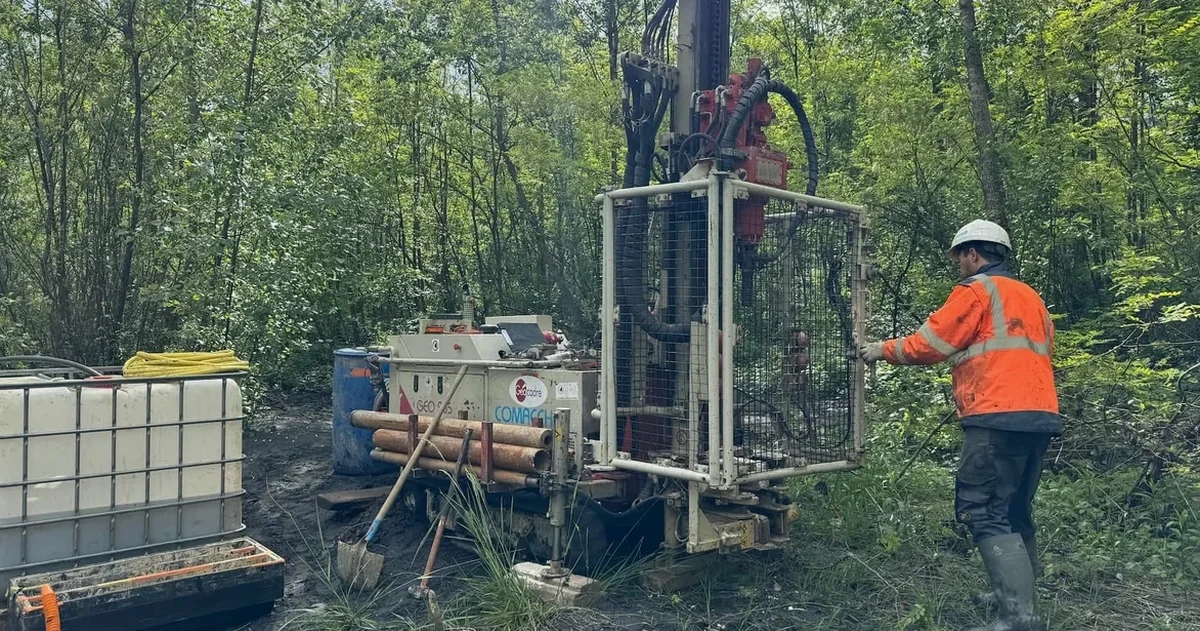
Drive through older neighborhoods around Belle Isle or Crown Heights and you will spot the evidence immediately: cracked driveways, tilted retaining walls, door frames that no longer close square. Most of these problems trace back to one missing step during construction - a proper soil mechanics study that accounts for how the red Permian clay beneath Oklahoma City behaves when it gets wet and then dries out over a hundred-degree summer. Our team has pulled Shelby tubes from boreholes all across this metro area, from the alluvial terraces of the North Canadian River down to the shale bedrock that surfaces near Hefner Lake, and the one constant we see is variability. A lot can shift in half a mile here, which is why we push for a triaxial shear test program whenever a project spans more than a couple of acres. That kind of data, combined with Atterberg limits and swell-consolidation curves, turns a guess into a foundation design that actually fits the local geology.
Assuming all Oklahoma City clay is just 'red dirt' misses the critical difference between a low-plasticity CL and a high-plasticity CH that can swell 8 percent or more with a 10 percent moisture increase.